Sep 12, 2026
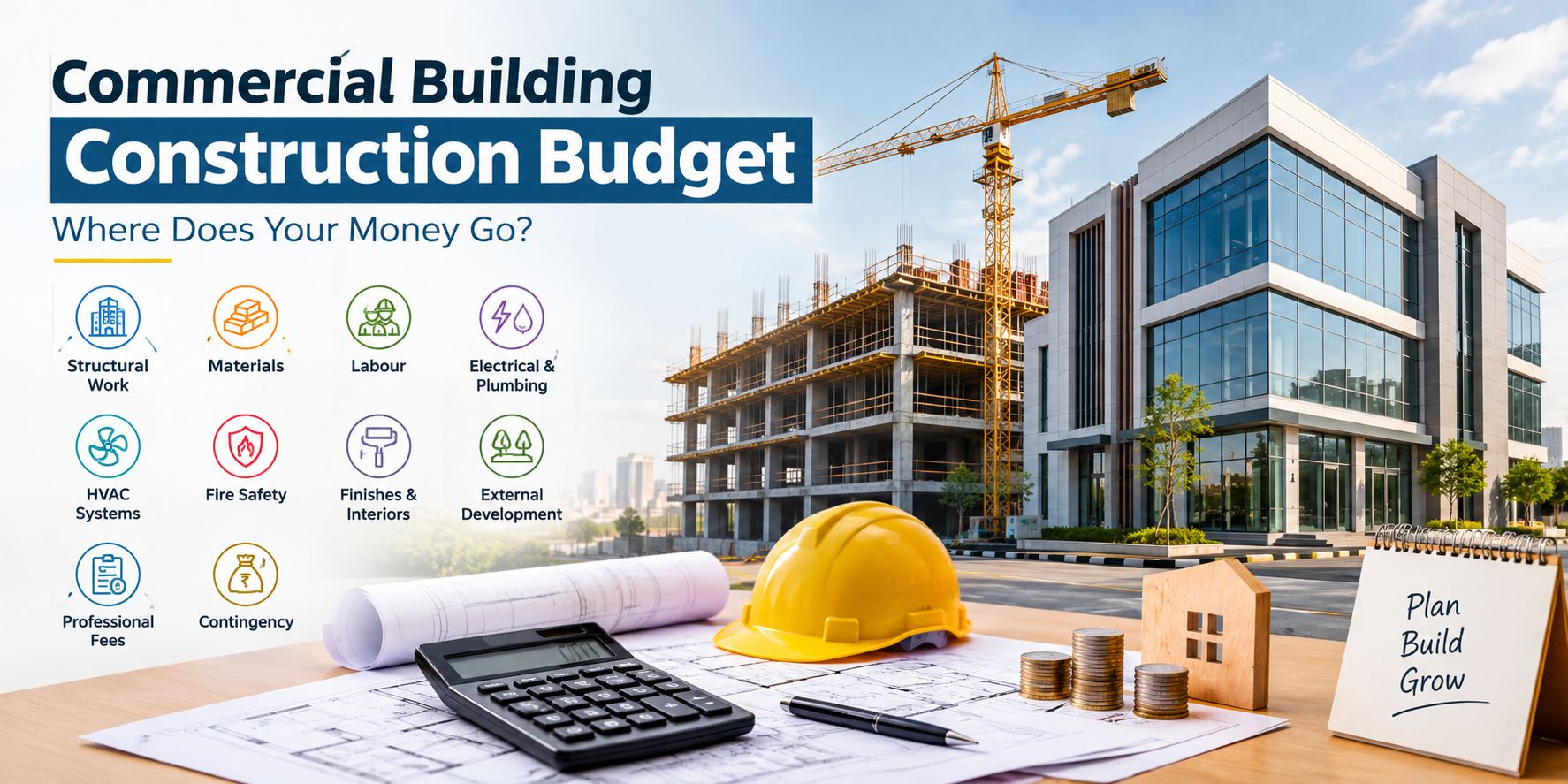
Commercial Building Construction Budget: Where Does Your Money Go?
Building a commercial property is a major investment, but do you know where your construction budget actually goes? From the foundation and structural...
Building a commercial property is a major investment. Whether you are planning an office, showroom, retail space, warehouse, hotel, or other commercial building, managing architects, engineers, suppliers, labour, materials, and timelines can become difficult.
Turnkey commercial construction in Jaipur offers an integrated way to manage these requirements. The contractor takes responsibility for coordinating the project and delivers the completed property according to the agreed scope, specifications, budget, and timeline.
Turnkey commercial construction means that one contractor or construction company manages the project from the initial planning stage through completion and handover.
Depending on the contract, the scope may include:
The exact scope can vary from one project to another, so all included and excluded work should be clearly mentioned in the agreement.
One of the biggest benefits is having a single main contractor for the project. Instead of coordinating separately with different agencies, the contractor manages different construction activities and teams.
This can make communication and project monitoring easier for the property owner.
Commercial construction involves several activities that need to happen in the correct sequence. Design, procurement, civil work, electrical installation, plumbing, finishing, and other services must be coordinated properly.
With an integrated construction approach, these activities can be planned together, helping reduce coordination problems and avoid unnecessary work delays.
A detailed turnkey agreement can define the project scope, materials, specifications, milestones, and commercial terms before construction begins.
This gives the client a clearer understanding of the expected project cost. However, changes in design, additional requirements, or work outside the agreed scope can still increase the final cost.
Managing a commercial construction project requires regular communication with contractors, suppliers, consultants, and workers.
With turnkey construction, much of this coordination is handled by the main contractor. This allows business owners and investors to spend more time focusing on their business while the construction team manages project execution.
A turnkey commercial construction company usually brings together different areas of expertise, including architecture, engineering, procurement, construction, and finishing.
This can help create better coordination between different stages of the project and provide the client with one team responsible for overall execution.
The main objective of a turnkey project is to deliver a completed facility that is ready for its intended use. Depending on the agreed scope, this may include construction, services, finishing, testing, and other required works.
A typical turnkey construction process can be divided into the following stages.
The contractor first understands the client's requirements, property type, site conditions, expected use, approximate budget, space requirements, and preferred timeline.
For example, an office building will have different requirements from a showroom, warehouse, hotel, or retail complex.
The site is assessed to understand its location, dimensions, access, existing conditions, and other project requirements.
The construction team then develops an initial project plan based on the site and client's requirements.
Architectural layouts, structural designs, electrical plans, plumbing systems, and other technical requirements are developed or coordinated.
At this stage, the client should review the proposed design, specifications, materials, and scope before execution begins.
A detailed estimate or BOQ can be prepared according to the approved design and specifications.
The agreement should clearly define:
Clearly defining the scope is important because the word "turnkey" can mean different things in different contracts.
After approval, materials are procured and construction begins.
The contractor coordinates activities such as foundation work, structural construction, masonry, electrical systems, plumbing, flooring, painting, and other works included in the contract.
Different stages of construction should be inspected to check workmanship, materials, measurements, and technical requirements.
MEP systems and other installed services may also require testing and commissioning before handover.
Once construction is completed, the property is inspected for finishing and outstanding work.
Any identified defects or pending items can be addressed before the final handover. The client then receives the completed commercial property according to the agreed scope.
Before selecting a contractor, businesses should look beyond the quoted price. Check:
Most importantly, ask the contractor to clearly explain what is included and what is excluded from the turnkey package.
Turnkey construction can be suitable for business owners and investors who want a single team to coordinate major parts of the construction process.
It can be particularly useful when the project requires coordination between multiple construction disciplines and the owner wants less day-to-day involvement.
However, the success of a turnkey project depends heavily on a clearly defined scope, realistic timeline, transparent costing, quality control, and a reliable construction team.
Turnkey commercial construction in Jaipur provides businesses with an integrated approach to planning and executing commercial building projects. From design and procurement to construction, finishing, testing, and handover, one main contractor coordinates the different stages.
For a successful project, the most important step is to clearly define the scope, specifications, responsibilities, costs, and timeline before construction starts. This helps create better coordination and gives the client a clearer understanding of what will be delivered.
Building a commercial property is a major investment, but do you know where your construction budget actually goes? From the foundation and structural...
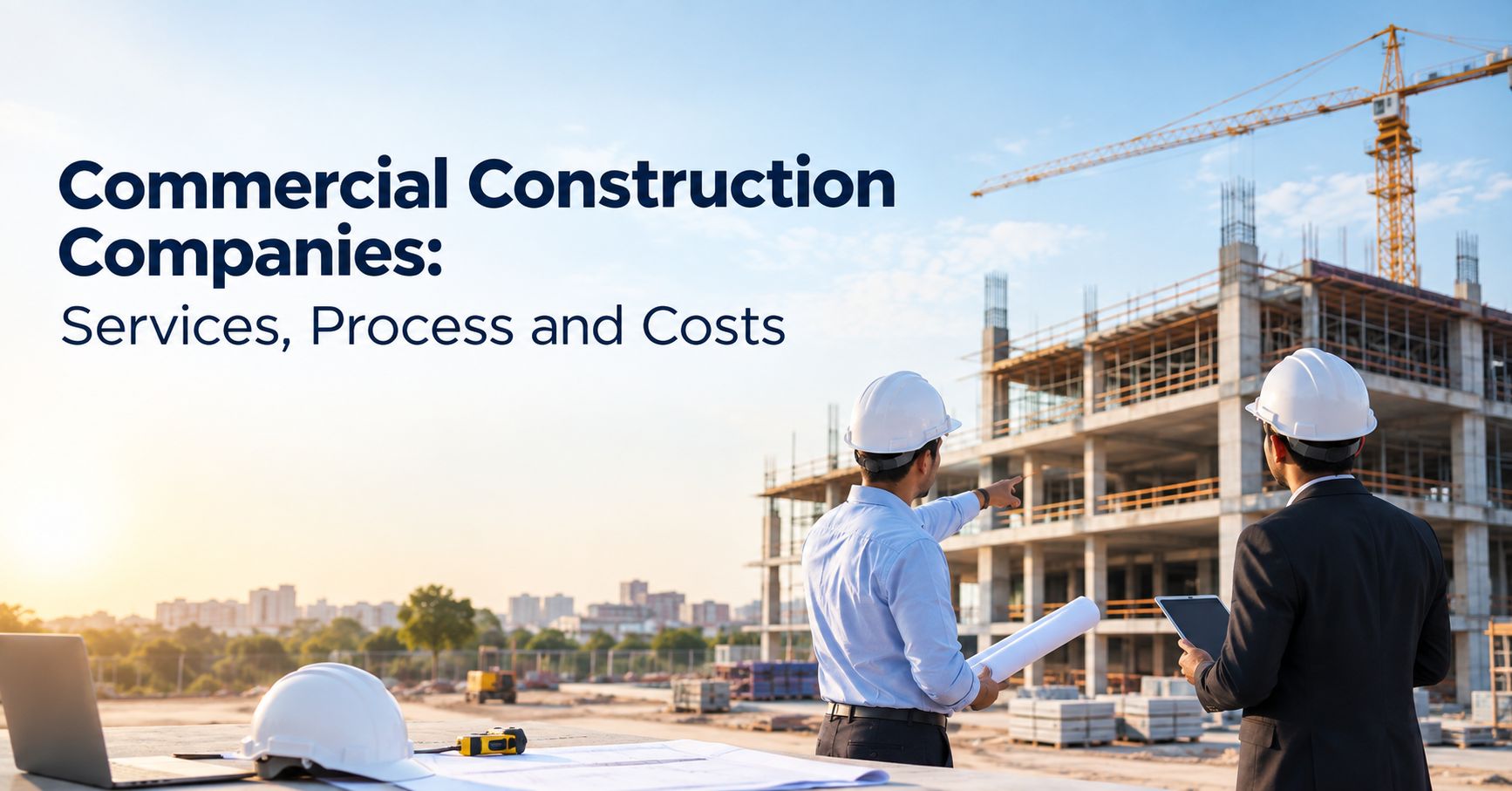
Commercial construction is essential for developing offices, retail stores, hotels, warehouses, hospitals, showrooms, and other business spaces. Com...
Planning to build a commercial property in Jaipur? Choosing the right construction company is one of the most important decisions you’ll make, and i...