Nov 28, 2026
How Turnkey Construction Projects Save Time and Reduce Costs
# How Turnkey Construction Projects Save Time and Reduce Costs Construction projects require proper planning, skilled professionals, quality materia...
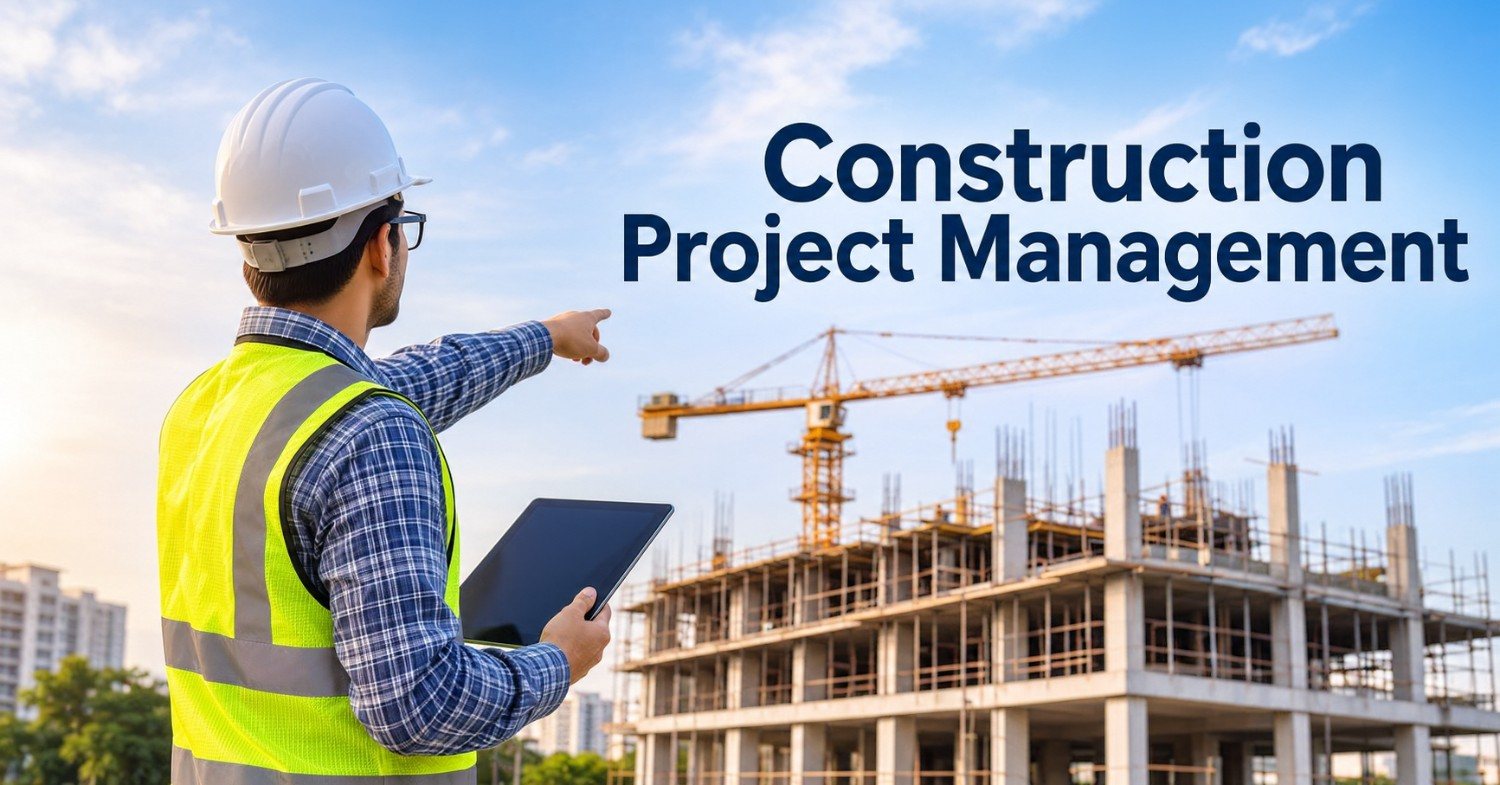
Construction projects require proper planning, budgeting, coordination, and execution. Whether you are building a residential property, commercial building, warehouse, or industrial facility, managing every stage properly is important for completing the project on time and within budget.
Construction project helps bring all these activities together. It ensures that materials, workers, costs, and timelines are managed effectively while maintaining construction quality and safety.
In this guide, we will explain what construction project management is, its key stages, responsibilities, benefits, and common challenges.
Construction project management is the process of planning, coordinating, and controlling all activities involved in a construction project. It starts with the initial planning stage and continues until the project is completed and handed over.
The main goal is to complete the project within the planned budget and timeline while maintaining quality and safety standards.
It involves managing different resources, including:
Proper project management plays an important role in the success of any construction project. Without proper planning and coordination, projects may face delays, additional expenses, and quality issues.
Here are some key reasons why it matters:
1. Better Time Management: A proper construction schedule helps ensure that each activity is completed on time and reduces unnecessary delays.
2. Cost Control: Budget planning and expense tracking help control spending and avoid unexpected costs.
3. Improved Construction Quality: Regular inspections and quality checks help maintain construction standards.
4. Better Resource Management: Proper planning ensures that workers, materials, and equipment are available when needed.
5. Workplace Safety: Safety planning and regular monitoring help reduce workplace accidents and risks.
Every construction project follows different stages. Managing each stage carefully helps ensure smooth project execution.
Planning is the first and most important stage. Before starting construction, the project requirements, objectives, estimated costs, and expected completion time should be clearly defined.
This stage includes:
Proper planning creates a clear direction for the entire project.
Once the planning is complete, the next step is preparing detailed designs and technical documents.
Architects, engineers, and other professionals work together to prepare building layouts, structural drawings, electrical plans, and plumbing designs.
All necessary approvals and applicable permissions should also be arranged before construction begins.
Budget management is essential for completing a construction project without unnecessary financial pressure.
The estimated budget should cover materials, labour, machinery, transportation, permits, and other project-related expenses.
It is also important to keep some funds aside for unexpected costs that may arise during construction.
This is the stage where actual construction work begins. Activities may include site preparation, excavation, foundation work, structural construction, roofing, electrical installation, and finishing.
The project manager coordinates workers, contractors, suppliers, and engineers to ensure that work follows the approved plans and schedule.
Maintaining construction quality and workplace safety is important throughout the project.
Regular site inspections help identify construction defects, material issues, and safety risks. Workers should also follow appropriate safety practices and use protective equipment.
Project progress should be checked regularly to identify delays, budget differences, and other issues.
If any problem occurs, the project team should take corrective action to keep the work on track.
After construction is completed, the project undergoes a final inspection. The team checks the structure, finishing work, electrical systems, plumbing, and other important elements.
Once the required checks and documentation are completed, the project is handed over to the client.
A construction project manager is responsible for coordinating different teams and ensuring that project activities run smoothly.
Some important responsibilities include:
Good communication and decision-making skills are important for managing construction projects effectively.
Construction projects can face several challenges during execution. Some common problems include:
1. Project Delays: Weather conditions, labour shortages, and material delivery issues can affect construction timelines.
2. Budget Overruns: Unexpected expenses, material price changes, and poor cost planning can increase project costs.
3. Material Management: Poor material planning can lead to shortages, wastage, and unnecessary delays.
4. Communication Gaps: Lack of coordination between contractors, engineers, and workers can create confusion.
5. Quality Issues: Using poor-quality materials or skipping inspections can affect the strength and durability of a building.
These challenges can be managed through proper planning, regular monitoring, and clear communication.
Modern construction projects use different tools and software to improve planning and coordination.
Some commonly used tools include:
Choosing the right tools depends on the size and requirements of the construction project.
Following good management practices can improve project performance and reduce unnecessary problems.
Construction project management is important for completing building projects efficiently, safely, and within the planned budget. From initial planning and cost estimation to construction execution and final handover, every stage requires proper coordination and monitoring.
By following a structured approach, using suitable management tools, and working with experienced professionals, businesses can reduce delays, control expenses, and maintain construction quality. Good project management also helps ensure better results and long-term value from a construction project.
# How Turnkey Construction Projects Save Time and Reduce Costs Construction projects require proper planning, skilled professionals, quality materia...
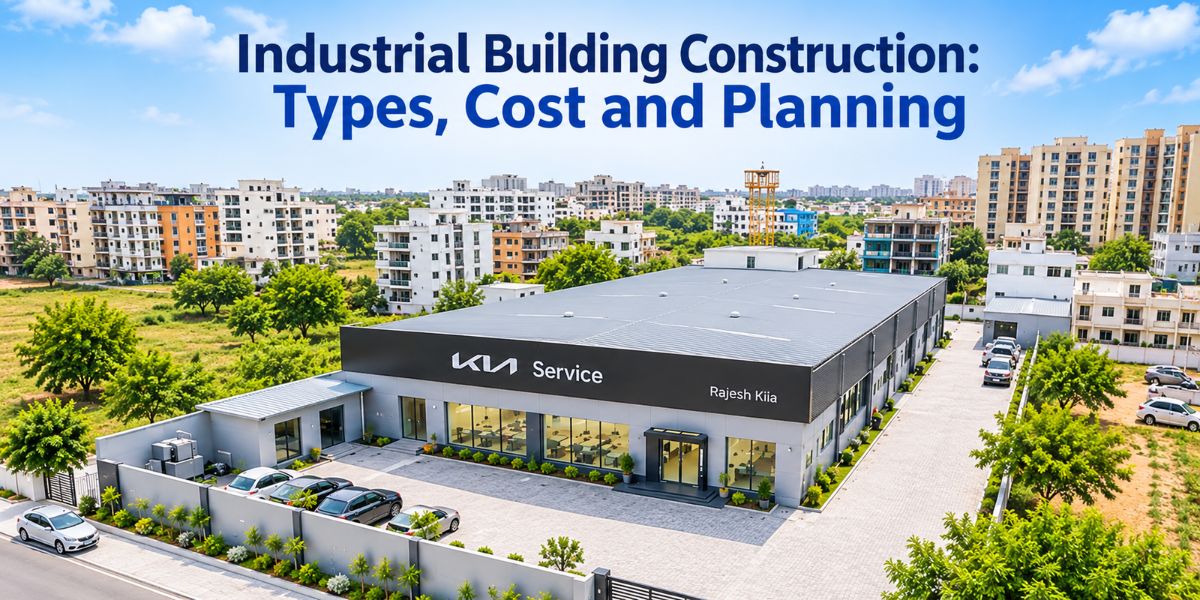
Every successful industrial business needs a strong and well-planned space to operate. But building a factory, warehouse, or industrial shed involves...
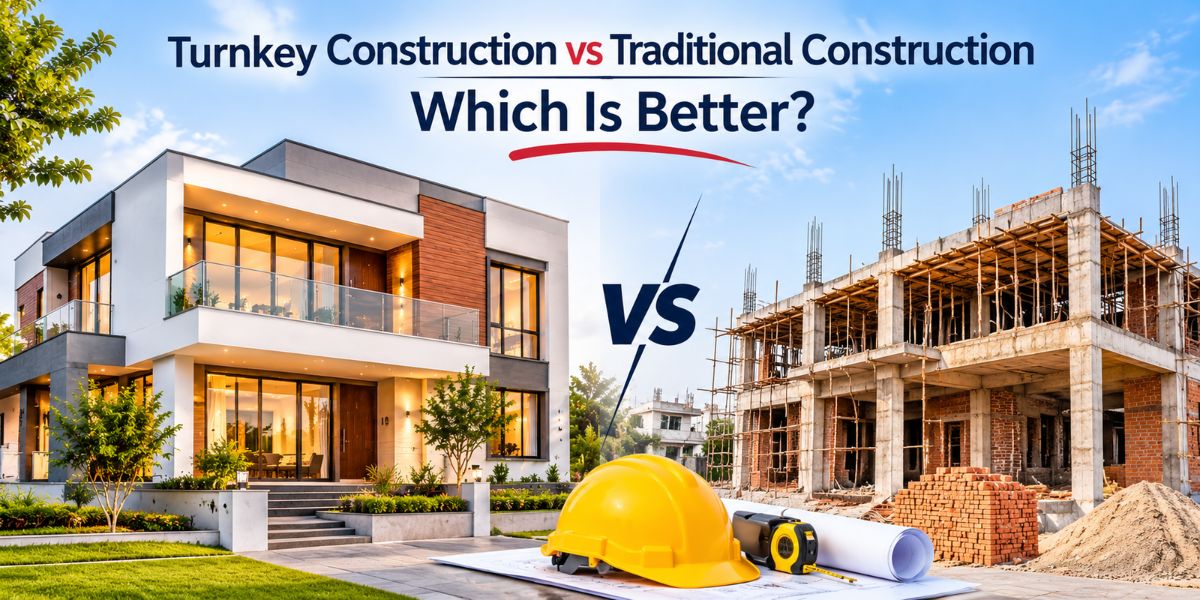
Building a house or commercial property is a major investment. Along with choosing the right location and design, selecting the right construction me...