Nov 19, 2026
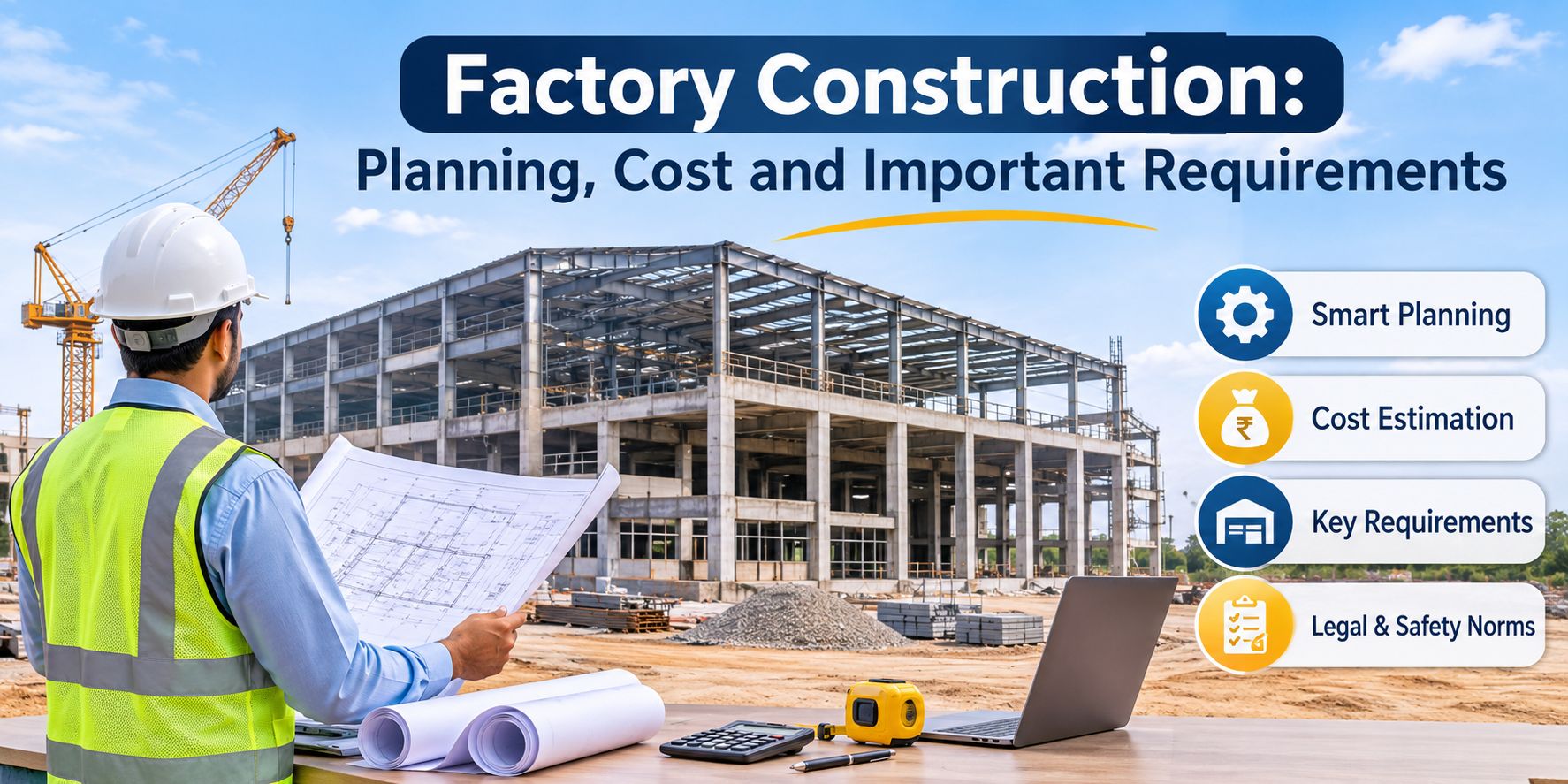
Factory Construction: Planning, Cost and Important Requirements
Building a factory is a major investment that requires proper planning, technical knowledge and careful budgeting. Whether you are setting up a small...
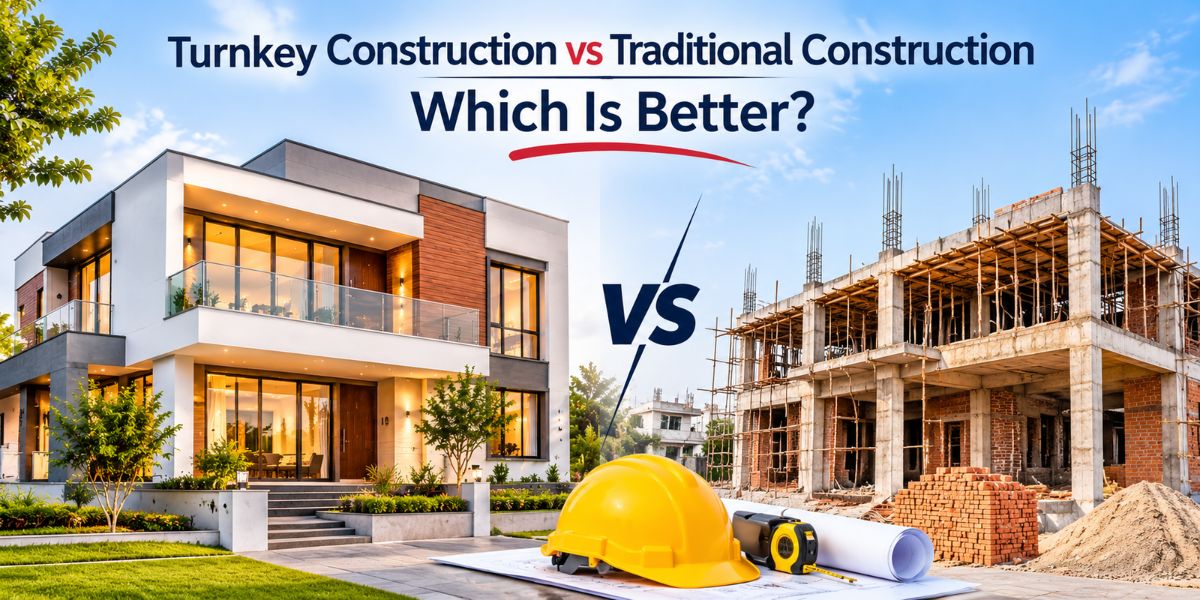
Building a house or commercial property is a major investment. Along with choosing the right location and design, selecting the right construction method is equally important. Two common options are turnkey construction and traditional construction. Both have their own benefits, costs, and challenges.
But which option is better for your project? Should you choose a complete construction service or manage different contractors yourself? Understanding the difference between turnkey construction and traditional construction can help you make a better decision based on your budget, time, and requirements.
Key Takeaways
Turnkey construction is a complete construction service where one contractor or company manages the entire project, from planning and design to final handover.
The construction company takes responsibility for activities such as material selection, labour management, site supervision, construction work, and finishing. Once the project is completed, the property is handed over to the client, ready for use.
Key Features of Turnkey Construction:
Traditional construction is a method where the property owner manages different stages of construction separately. Instead of hiring one company for the complete project, the owner may appoint different contractors, architects, engineers, and suppliers.
The owner is usually more involved in selecting materials, managing labour, checking work quality, and handling project expenses.
Key Features of Traditional Construction:
Both construction methods can deliver good results when managed properly. However, they differ in terms of cost management, project control, time, and responsibility.
| Comparison Factor | Turnkey Construction | Traditional Construction |
|---|---|---|
| Project Management | Managed by one company | Managed by the owner |
| Cost Planning | Usually agreed in advance | Expenses may change |
| Time Management | Centralised scheduling | Depends on multiple teams |
| Material Selection | Often handled by contractor | Owner has direct control |
| Quality Control | Managed by the construction company | Owner monitors different teams |
| Owner Involvement | Generally less | Generally more |
| Coordination | Single point of contact | Multiple contractors to coordinate |
| Flexibility | Changes may affect cost and timeline | More flexibility in decisions |
Turnkey construction is a suitable option for people who want a professionally managed project without handling every construction activity themselves.
1. Complete Project Management
One company handles different construction activities, reducing the need to coordinate with multiple contractors and suppliers.
2. Better Time Management
Since one team manages the project schedule, it becomes easier to coordinate different construction stages and avoid unnecessary delays.
3. Clearer Budget Planning
Many turnkey contracts include an agreed project scope and cost. This helps owners plan their budget more effectively, although changes and exclusions may involve additional charges.
4. Less Daily Involvement
Property owners do not need to manage workers, purchase materials, or supervise every activity themselves.
Traditional construction is useful for owners who want more involvement and direct control over their projects.
1. Greater Design Flexibility
Owners can select their preferred architects, materials, designs, and contractors according to their requirements.
2. Direct Material Selection
You can personally choose construction materials and compare suppliers before making a purchase.
3. Control Over Contractors
You can appoint different contractors for different activities based on their experience, work quality, and pricing.
4. Better Control Over Individual Expenses
You can compare labour charges and material prices separately. This may help manage costs, provided the project is properly planned and monitored.
The cost of construction depends on several factors, including plot size, building design, material quality, location, labour charges, and finishing requirements.
In turnkey construction, the contractor generally provides a combined estimate for the agreed work. This makes budgeting easier, but the contract should clearly mention materials, specifications, exclusions, and additional charges.
In traditional construction, owners can purchase materials and hire labour separately. This may offer opportunities to save money, but poor planning, material wastage, delays, and repeated work can increase the total expense.
The better option depends on your ability to manage the project and control its overall expenses.
Before selecting a construction method, consider these important factors:
Whether you choose turnkey or traditional construction, avoid these common mistakes:
Both turnkey construction and traditional construction have their own advantages. Turnkey construction is generally suitable for people who prefer complete project management, better coordination, and less daily involvement. On the other hand, traditional construction is a good option for owners who want direct control over materials, contractors, and design decisions.
Before making a final choice, compare the total estimated cost, project timeline, contractor experience, material specifications, and quality standards. The right construction method is the one that matches your budget, expectations, and project requirements.
Building a factory is a major investment that requires proper planning, technical knowledge and careful budgeting. Whether you are setting up a small...
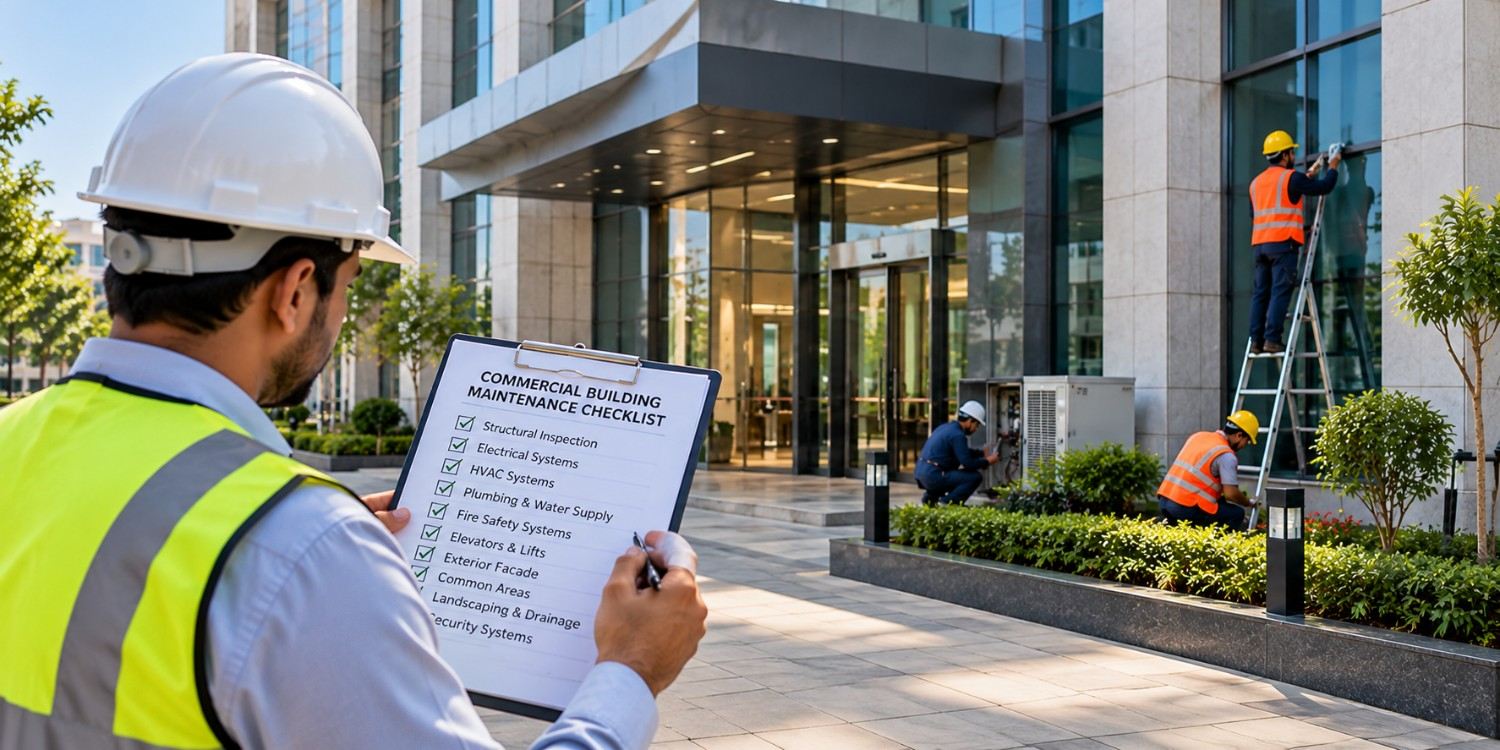
A newly constructed commercial building may look complete, but proper maintenance is essential to keep it safe, functional, and valuable over time. S...
Every successful commercial building begins with a solid plan, not just a strong foundation. From budgeting and design to material selection and cons...