Oct 22, 2026
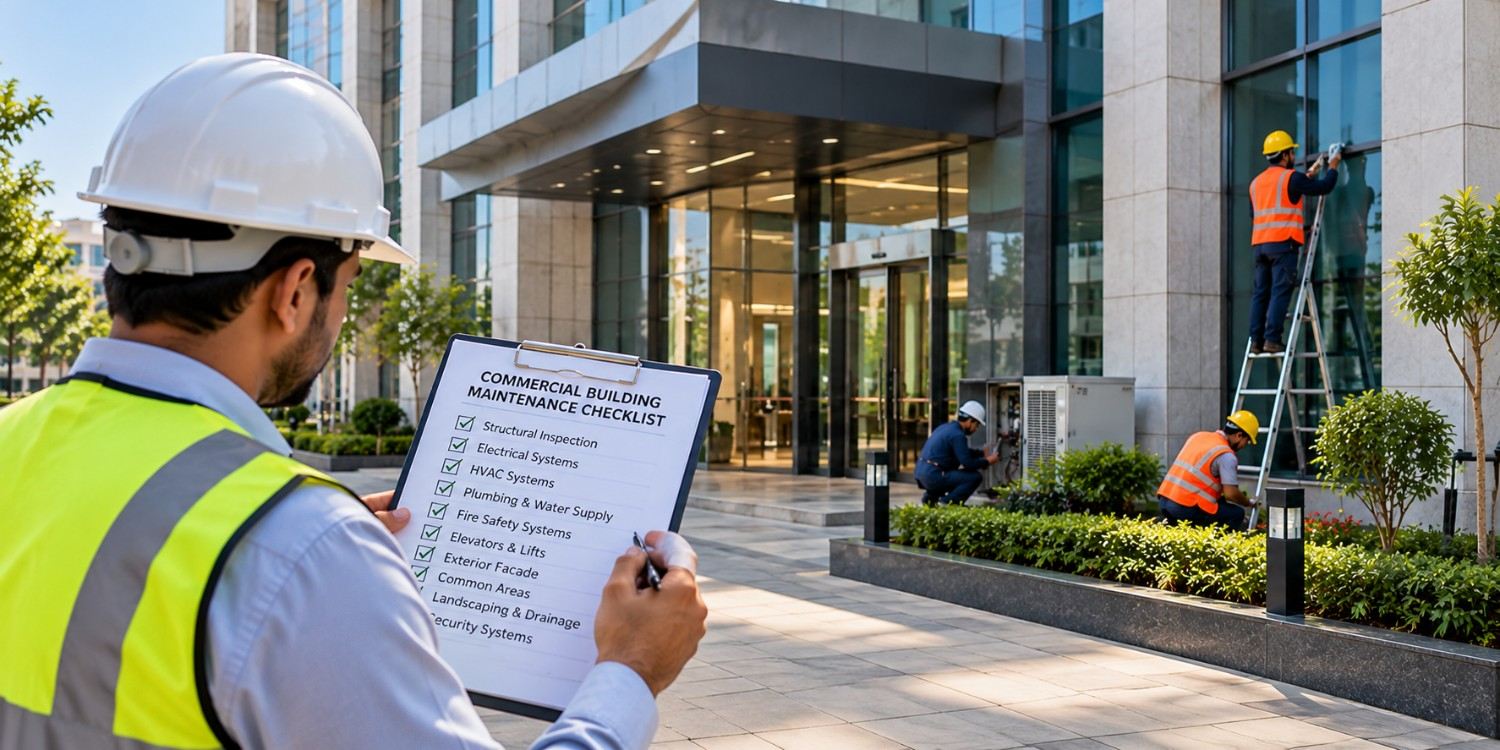
Commercial Building Maintenance Checklist After Construction
A newly constructed commercial building may look complete, but proper maintenance is essential to keep it safe, functional, and valuable over time. S...

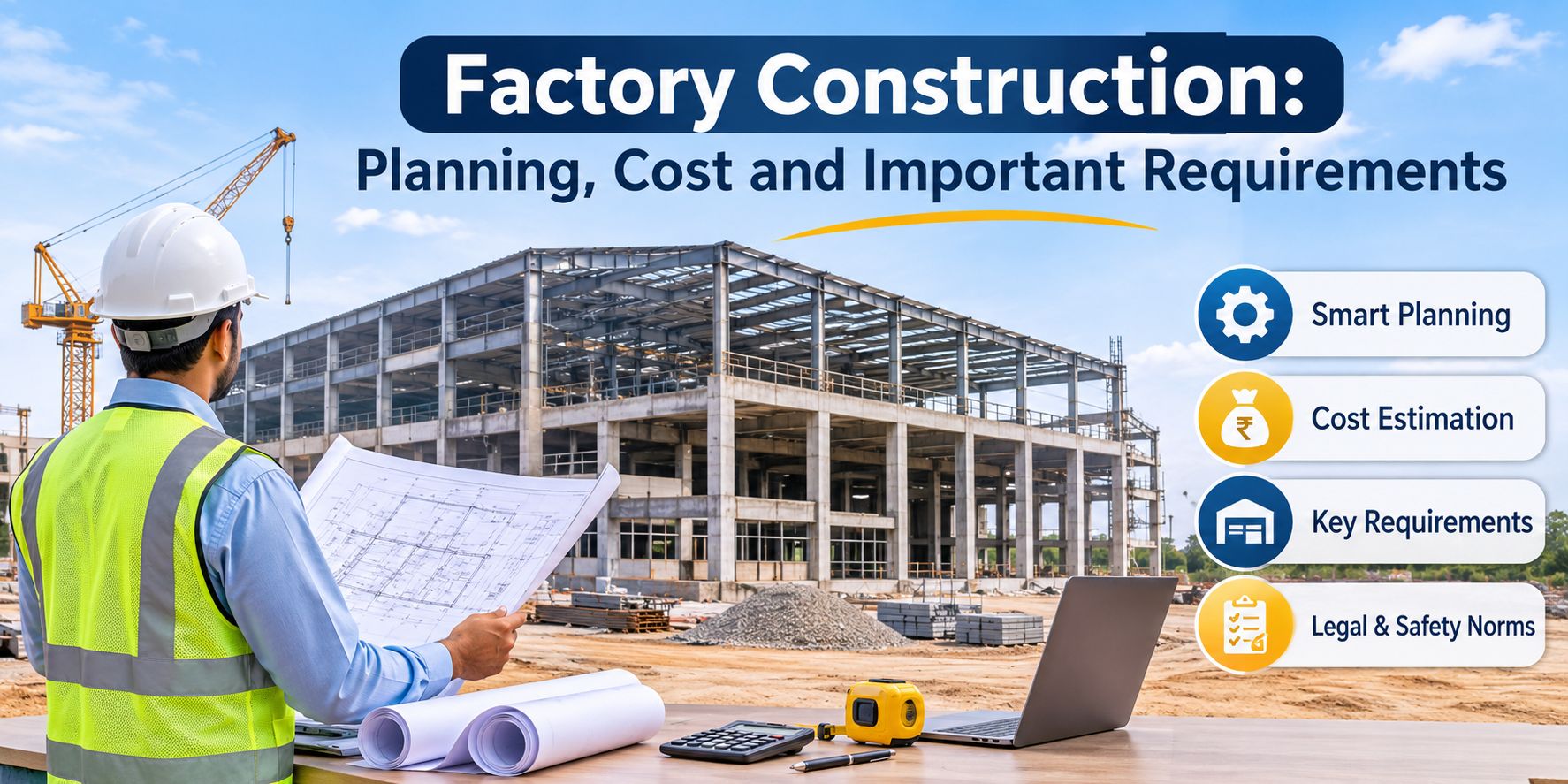
Building a factory is a major investment that requires proper planning, technical knowledge and careful budgeting. Whether you are setting up a small manufacturing unit or a large industrial facility, every stage of construction plays an important role in its long-term performance. From selecting the right land to designing the building, installing machinery and arranging safety systems, each decision can affect the overall project cost and efficiency.
Understanding the factory construction process before starting work helps business owners avoid unnecessary expenses, delays and future structural problems. In this guide, we will cover the key planning steps, cost factors and important requirements to consider before constructing a factory.
Factory construction is the process of designing and building an industrial facility where manufacturing, processing, storage or other production activities take place. It involves civil construction, structural design, electrical systems, ventilation, machinery planning and safety arrangements.
Unlike ordinary commercial buildings, factories require layouts and structures that support heavy equipment, smooth material movement, proper storage and daily industrial operations.
Proper planning is the foundation of a successful industrial project. Before starting construction, consider the following factors.
Choose land that is suitable for industrial activities. Check road connectivity, transportation facilities, availability of electricity and water, and access to raw materials. Also, confirm that the land is legally permitted for the proposed industrial use.
A soil investigation helps determine the ground's load-bearing capacity and foundation requirements. This is especially important when the factory will have heavy machinery, large structures or industrial storage areas.
Prepare a layout according to the manufacturing process. Plan separate areas for production, raw material storage, finished goods, offices, loading and unloading, and employee facilities. A well-designed layout improves workflow and makes daily operations easier.
Factory construction requires more than just a strong building. Several technical and legal requirements must be considered.
Taking care of these requirements during the planning stage can prevent costly changes later.
The factory construction cost depends on several factors, including the size of the facility, location, building design, construction materials and technical requirements.
There is no single fixed rate for every factory because a basic storage facility and a machinery-intensive manufacturing unit have different construction needs.
Some major cost factors include:
Land and Site Development: Land purchase, site levelling, boundary walls, internal roads and drainage contribute to the initial investment.
Foundation and Structural Work: Foundation depth, soil conditions, steel requirements, columns and roofing systems influence the structural cost.
Construction Materials: Cement, steel, concrete, bricks and roofing materials affect the overall budget. Material quality should be selected according to engineering requirements.
Electrical and Mechanical Systems: Industrial wiring, transformers, machinery foundations, ventilation and other utility installations can add significantly to the project cost.
Labour and Project Management: Skilled labour, contractors, engineers and construction supervision are also important budget components.
To prepare an accurate estimate, get a detailed project report and a quantity-based cost estimate from qualified professionals before starting construction.
Selecting the right construction method depends on the factory's purpose, size and operational needs.
RCC Construction: Reinforced cement concrete construction is commonly used for foundations, floors, columns and multi-level industrial buildings. It offers strength and durability when properly designed.
PEB (Pre-Engineered Building): PEB structures use factory-fabricated steel components and are commonly considered for industrial sheds and warehouses. They can offer faster installation and flexible layouts.
Steel Structure Construction: Steel structures are useful for factories that require large open spaces, wider spans and heavy-duty industrial facilities.
The final choice should be based on engineering design, site conditions, building requirements and the total project budget.
Even a well-funded industrial project can face problems because of poor planning. Avoid these common mistakes:
Working with experienced architects, structural engineers and construction professionals helps reduce these risks.
Factory construction involves multiple activities that need to work together. Proper coordination between architects, engineers, contractors and service providers helps maintain construction quality, manage costs and complete work according to the planned schedule.
A professional construction team can help with site assessment, structural planning, material selection, project execution and quality checks. This approach also makes it easier to identify potential issues before they affect the construction process.
Successful factory construction starts with a clear understanding of project requirements, budget and long-term business goals. From land selection and structural design to safety arrangements and legal approvals, every stage requires proper planning and attention to detail.
With the right construction expertise and quality materials, you can create a safe, functional and durable industrial facility. Jairaj Buildcon and Stone Nest focus on delivering reliable construction solutions that support long-term value and performance. Get in touch today and take the first step towards building an industrial space designed for future growth.
A newly constructed commercial building may look complete, but proper maintenance is essential to keep it safe, functional, and valuable over time. S...
Every successful commercial building begins with a solid plan, not just a strong foundation. From budgeting and design to material selection and cons...
Planning a commercial building project? Start with a smart budget to avoid costly surprises! Whether you are constructing an office, showroom, warehou...